Glitch Effects
Glitch effects mimic a digital picture falling apart: blocks slipping sideways, color channels splitting, frames bleeding into each other, a tape or signal dying out. The difference here is that you're in control of the damage, and each part of it has its own slider.
Use them for music videos, album covers, posters, streams and titles. Every effect is seeded, which means the glitch you export is exactly the one you saw in the preview. It all runs in your browser.
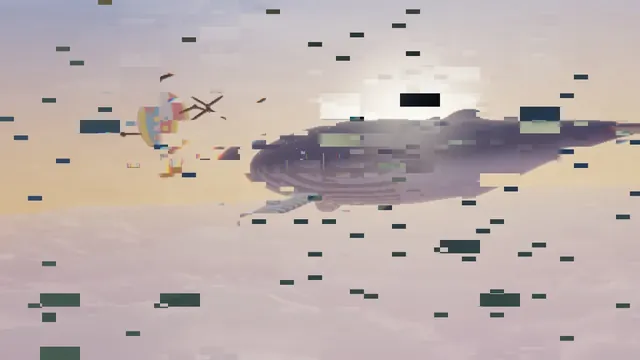
Glitch Effect
The classic broken frame: blocks that jump, split and invert at a rate you can set to a beat.
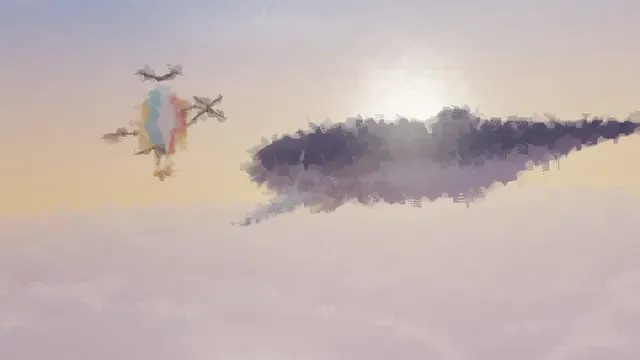
Datamosh Effect
Melts one shot into the next, or smears a still photo into liquid color over time.
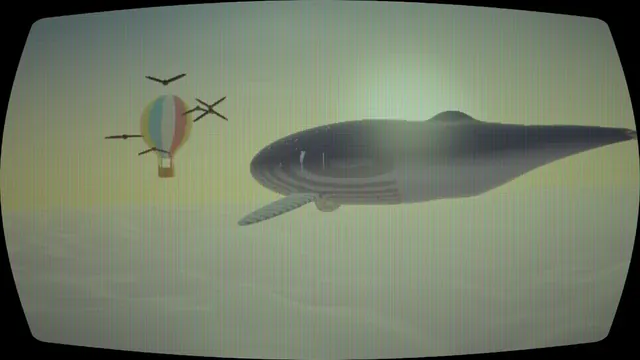
CRT Filter
For the screen itself: tube glass, scanlines and a real phosphor mask around your picture.
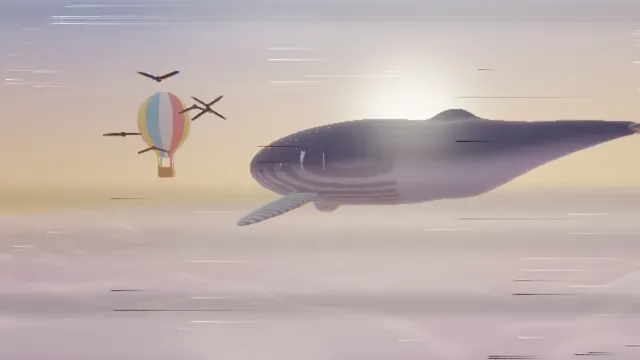
VHS Effect
Home-video nostalgia: tape snow, crawling tracking bars and red and blue smear.
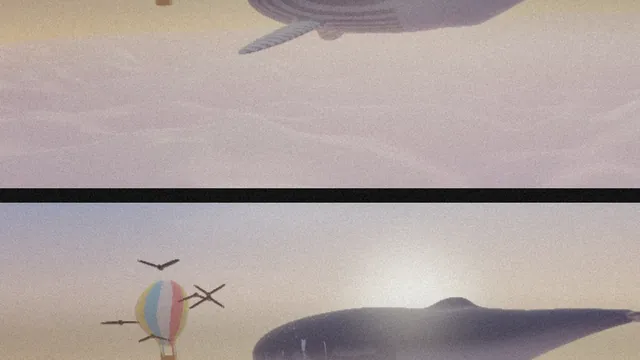
Bad TV Effect
A set losing its signal: a rolling picture, bent rows and a drifting hum bar.

Pixel Sorting
Long streaks of reordered color that melt skies and highlights in one direction.

RGB Split
A clean channel offset for titles and logos: straight, out from the center or drifting.

Chromatic Aberration
Lens realism: color fringes that start at nothing in the middle and widen toward the corners.
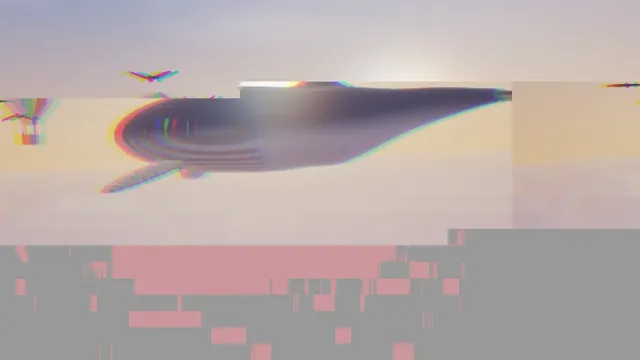
Databending Effect
Looks like a corrupt JPEG, with damage that shifts blocks and piles up down the frame.

Vaporwave Effect
Retro mall nostalgia in violet, pink and mint, with a rare glitch flicker on top.
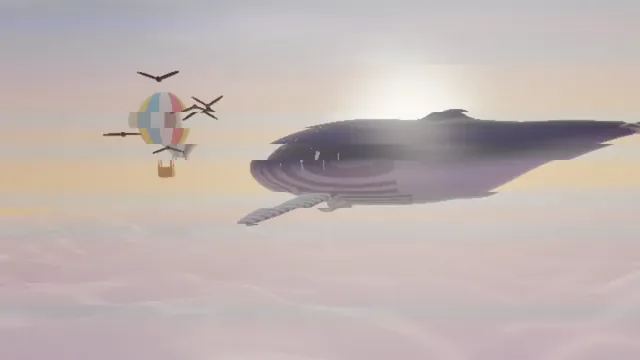
Signal Loss Effect
A feed cutting out, bands dropping to snow or black while the rest tears sideways.
What is glitch art?
Glitch art is work built from digital errors, whether someone stumbled on them or set out to cause them. Back in the 1990s, the net.art duo JODI turned web pages and games into screens full of broken code. Takeshi Murata's Monster Movie (2005) dissolved found footage into datamoshed color, and around 2010 Kim Asendorf's pixel sorting sketches pulled photos out into long streaks.
Rosa Menkman gave the movement its theory, in her Glitch Studies Manifesto and in her 2011 book The Glitch Moment(um). The GLI.TC/H festivals, first held in Chicago in 2010, gave it a scene. Since then the glitch look has made its way into fashion, games and music. Glitchcore, an online style that grew up alongside hyperpop toward the end of the 2010s, layers it on thick with saturated color and flashing text.
Which glitch effect is the one you saw?
We read 12 Adobe Community and Shotcut forum threads about glitch effects, and half of them were people trying to recreate a look they'd seen somewhere; the replies often pointed to more than one effect. The easiest way to pin it down is by what's breaking. Rectangles jumping sideways with red and blue edges mean Glitch Effect. If the whole frame is doubled in red, green and blue, that's RGB Split, and fringes that only show up near the corners are Chromatic Aberration.
Long streaks of reshuffled color come from Pixel Sorting. When one shot melts into the next, it's Datamosh Effect. Blocks that repeat and smear down the frame like a broken JPEG point to Databending Effect.
Rolling bars, snow and dropouts belong to a dying tape or signal. Reach for VHS Effect for a worn tape, Bad TV Effect for a set that can't hold the picture, Signal Loss Effect for a feed dropping out in bands, and CRT Filter for the curved glass and scanlines around it. Vaporwave Effect is mostly a color grade with a bit of glitch on top. To stack two of them, save from one page and open that file in the next.
Is a glitch filter real glitch art?
Plenty of glitch artists believe the work has to come from a real failure, either provoked or caught in the act. Rosa Menkman's Glitch Studies Manifesto warns readers off glitch effects that software and plug-ins churn out automatically. The tools on this page land at different spots along that line.
Pixel Sorting actually is the process: it sorts runs of pixels by brightness, hue or saturation, the same kind of sort artists write in code. Datamosh Effect and Databending Effect fake a failure without breaking any file. Their damage comes from a Seed, so the same settings always give the same frame, and your file always opens.
When you break a file by hand, you get accidents that can't be repeated, and the threads we read show what that costs. An editor like Shotcut that re-encodes every clip can't delete I-frames at all, and a mosh made in Avidemux can disappear on export. With a seeded effect you trade the accident for something you can preview, tweak and export as many times as you like.
What is databending?
Databending is editing a file's raw data in a program built for something else, then opening it as a picture again. Import an image into Audacity as raw audio and put an echo on it, or change a handful of bytes in a hex editor, and the picture comes back with shifted bands, repeated slices and smeared color. JPEG breaks especially easily, because its data is read in order and a single changed byte can throw off the colors of everything after it.
Databending Effect gets you the same result with no broken file. You get shifted blocks, smears and channel slips, and Intensity, Corruption and Channel shift decide how bad the damage gets.
What are digital artifacts?
An artifact is a flaw a picture picks up from being stored, sent or displayed. JPEG cuts an image into 8 by 8 blocks and discards fine detail inside each one, so heavy compression leaves blocking (a visible grid) and ringing around sharp edges. Video codecs predict most frames from earlier ones. Lose a keyframe and the old pixels keep sliding along with the new motion, and that smear is what datamoshing is built on.
Screen tearing happens on the display side: the image changes partway through a refresh, so the top of one frame sits over the bottom of the next. Color banding is the visible steps in a gradient saved with too few levels. And digital decay, the loss that comes from saving and compressing a file again and again, stacks all of these up.
Datamosh Effect puts the codec smear on a clip, or even a still. Signal Loss Effect drops bands of the feed to snow or black.